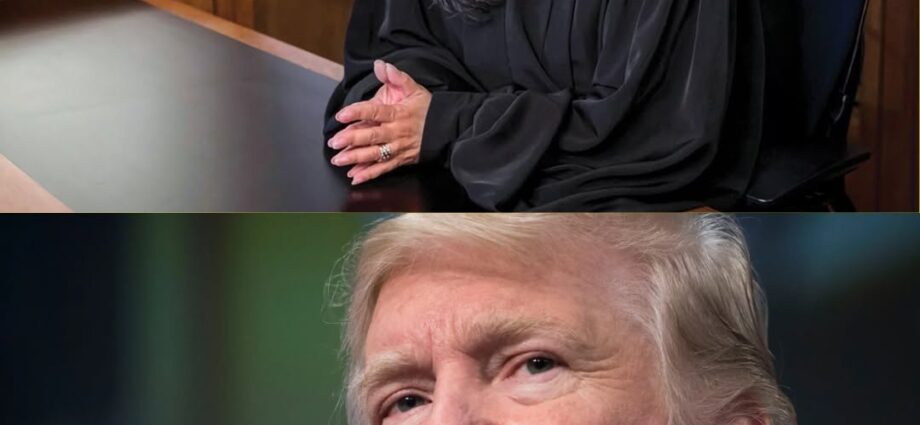
A federal judge has ordered the Trump administration to restore educational exhibits and signage related to slavery and climate change that were removed from national parks following a 2025 executive order.
The ruling, issued by U.S. District Judge Angel Kelley, marks a significant development in an ongoing legal battle over how American history and environmental science are presented in federally managed public spaces.
According to court documents, the dispute began after exhibits, interpretive displays, and informational signs addressing topics such as slavery, racial history, and climate change were removed or altered at various national park sites. Critics argued that the changes limited public access to important historical and scientific information.
Judge Kelley concluded that the removals appeared to have been influenced by whether the content aligned with the administration’s preferred interpretation of history and public policy. The court’s decision requires the affected materials to be restored while the broader legal challenge continues.
The lawsuit was brought by a coalition of conservation, historical, and scientific organizations. The groups argued that removing or revising exhibits dealing with slavery and climate science amounted to the suppression of historically significant information and scientific findings that visitors have a right to access.
Supporters of the lawsuit praised the ruling, describing it as a victory for historical accuracy, public education, and transparency. They contend that national parks play an important role in helping Americans understand both the nation’s past and the environmental challenges it faces today.
Meanwhile, supporters of the executive order have argued that federal agencies should have discretion in determining how information is presented within government-operated facilities.
The decision has reignited national debate over history, education, public lands, and the role of government in shaping public narratives.
National parks attract hundreds of millions of visitors each year, making them one of the country’s most influential educational platforms. As a result, decisions regarding exhibit content often carry implications far beyond the parks themselves.
The case is expected to remain closely watched as legal proceedings continue and officials determine how and when the affected exhibits will be restored.