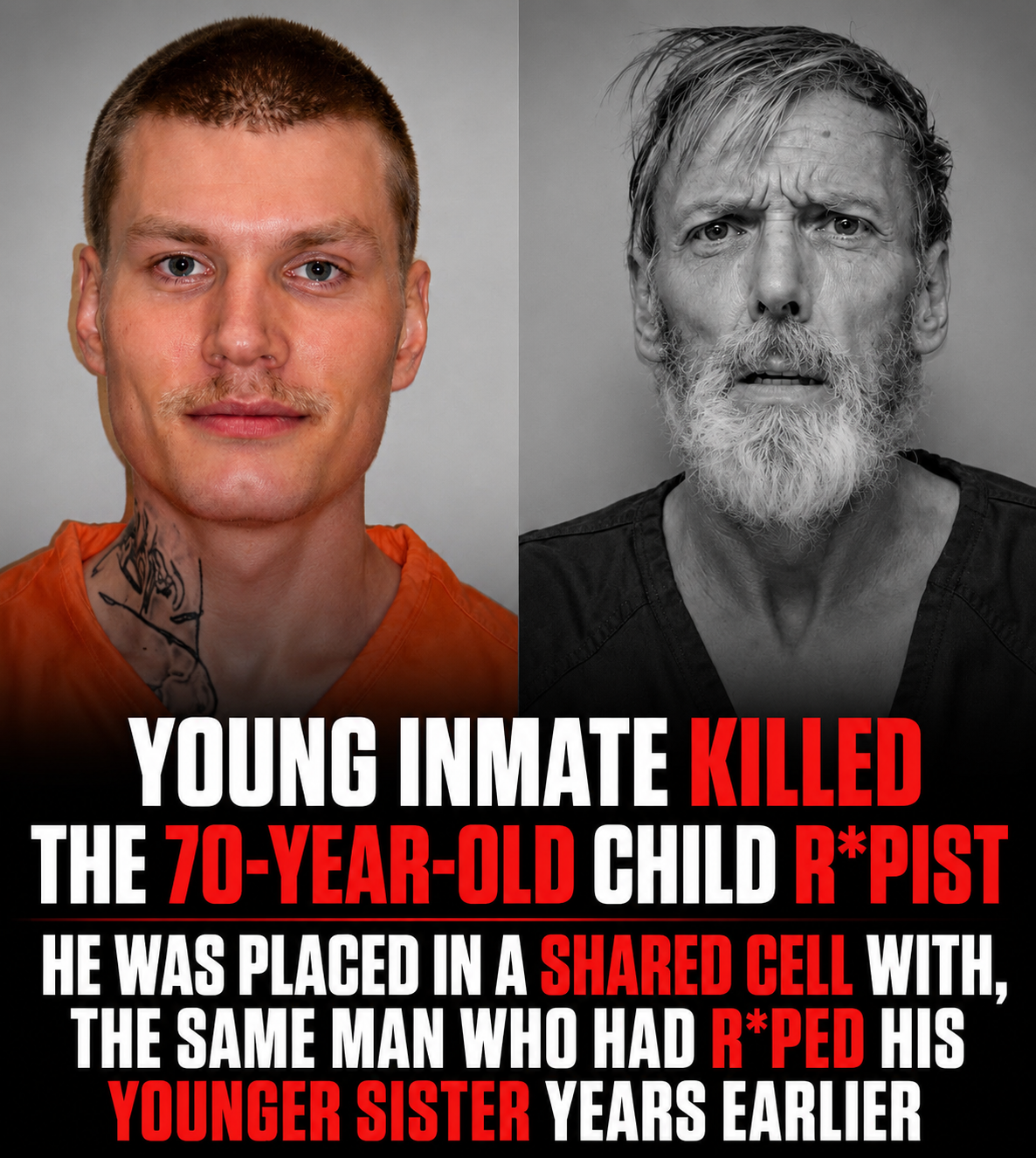
A tragic and highly controversial prison case continues to spark debate years after a violent confrontation inside a Washington state correctional facility.
On June 2, 2020, 25-year-old Shane Goldsby was transferred to Airway Heights Corrections Center while serving a sentence related to a stolen police vehicle and a chase that injured a state trooper. Upon arriving at his new prison, Goldsby was assigned a cell with a man he immediately recognized from his family’s past.
The cellmate was Robert Munger, a 70-year-old inmate serving decades behind bars for child rape, child molestation, and child pornography offenses. According to court records, Munger had previously been convicted of abusing Goldsby’s underage sister.
Reports indicate that Goldsby immediately requested to be moved to another cell after learning who his cellmate was. However, the request was reportedly denied. Prosecutors later stated that tensions escalated after Munger allegedly taunted Goldsby and discussed details related to the crimes committed against his sister.
Just hours after being assigned to the same housing unit, Goldsby attacked Munger in a common area of the prison. Munger suffered severe head injuries and died three days later from a fractured skull.
Goldsby later pleaded guilty to the killing and received an additional prison sentence of nearly 25 years on top of the time he was already serving.
During sentencing, the emotional weight of the case was evident. Goldsby reportedly broke down in tears while reading a statement apologizing to Munger’s family, becoming so overwhelmed that his attorney had to finish reading part of the message on his behalf.
He also addressed his sister directly, ending with a heartfelt message: “I love you and I always will.”
The case continues to divide public opinion. Some view Goldsby’s actions as an unforgivable act of vigilante justice, while others argue the prison system failed by placing him in such a volatile situation despite the obvious connection between the two inmates.