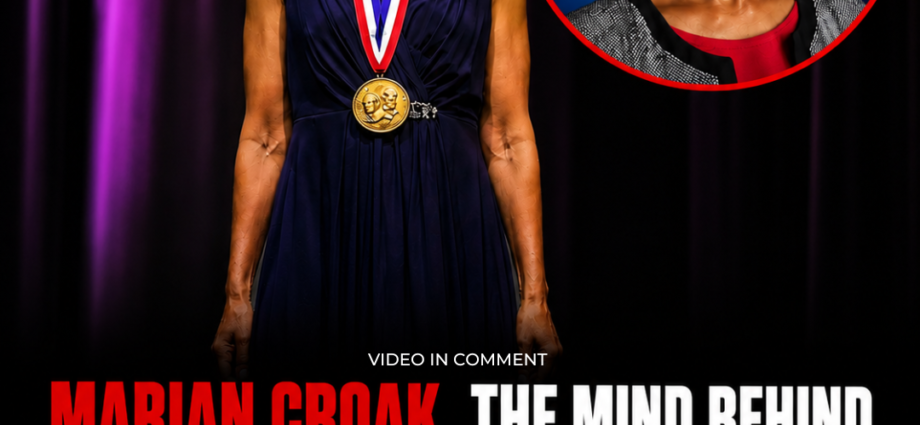
While billions of people use video calls every day, few know the name of the woman whose innovations helped make them possible.
Marian Croak has officially been inducted into the National Inventors Hall of Fame, earning recognition for groundbreaking work that transformed global communication.
Croak is widely credited with helping develop key technologies behind Voice over Internet Protocol (VoIP), the system that allows voice and video calls to travel over the internet rather than traditional phone networks. Today, that technology powers countless services used around the world, including platforms such as Zoom, FaceTime, and WhatsApp.
With more than 200 patents to her name, Croak’s career has been defined by innovation and problem-solving on a massive scale. Long before remote work, virtual meetings, and video chats became part of everyday life, she was helping build the technological foundation that would eventually connect billions of people across continents.
Experts say her work fundamentally changed the way people communicate, enabling businesses, families, schools, and governments to stay connected regardless of location.
The importance of her contributions became especially evident during the COVID-19 pandemic, when internet-based communication tools became essential for work, education, healthcare, and personal relationships around the globe.
Her induction into the National Inventors Hall of Fame places her among some of the most influential innovators in American history. The honor recognizes not only her technical achievements but also the lasting impact her inventions continue to have on society.
Supporters and fellow engineers have praised the recognition as long overdue, noting that many people rely on technologies influenced by Croak’s work every day without realizing the innovations behind them.
As the world becomes increasingly connected through digital communication, Marian Croak’s legacy continues to grow.
She didn’t just help invent technology that changed the way people talk—she helped redefine how the world stays connected.