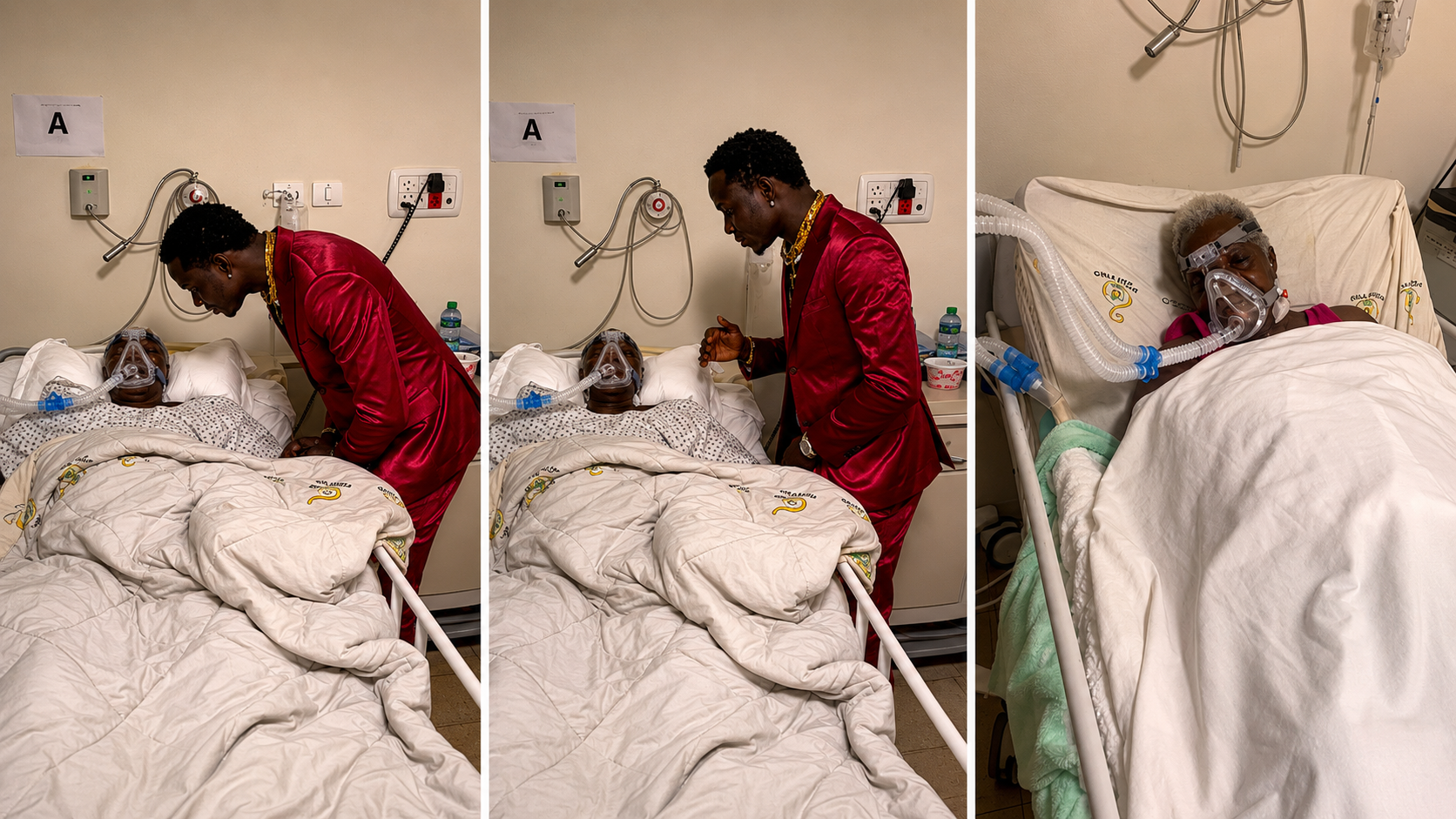
Michael Blackson is at the center of a heated online debate after a video involving his mother, who is reportedly on a ventilator in hospital, began circulating widely across social media platforms. The footage has triggered strong reactions, with users divided over whether the moment should have been shared publicly or kept private.
According to posts and clips that spread on TikTok, Instagram, and X, Blackson shared a deeply emotional moment from inside a hospital room where his mother was receiving critical care. The video shows him visibly emotional while speaking about the situation, with medical equipment visible in the background. The clip quickly gained traction online, drawing millions of views and sparking intense discussion.
Many viewers reacted with sympathy, expressing support for Blackson and his family during what appears to be a very difficult time. Some fans said that seeing a public figure deal with such a personal and painful situation reminded them that celebrities also experience real-life struggles behind the scenes. Others defended him by saying that grief, fear, and emotional processing can lead people to document moments they might not normally share.
Supporters also pointed out that social media has become a space where people often share both joyful and painful life experiences, and that the boundaries between private and public life have changed significantly over the years. In that context, some users argued that Blackson may have been trying to cope emotionally or update supporters who have followed his career and personal journey.
However, a large number of users criticized the decision to film and post the moment, especially given the sensitive nature of a family member being on a ventilator. Critics argued that hospital settings, particularly those involving critically ill patients, should remain private out of respect for both the patient and the family. Many said that even if the intention was not harmful, sharing such intimate footage publicly raises ethical concerns.
Some users also expressed discomfort with how quickly emotional medical situations can turn into viral content. They argued that social media platforms often blur the line between genuine human experience and content created for engagement, which can lead to controversial situations like this one.
Others questioned whether posting such moments adds unnecessary public pressure during already painful circumstances.
The debate has since expanded beyond Blackson himself, turning into a broader conversation about how people use social media during moments of crisis. Some commentators noted that celebrities in particular face unique challenges, as their personal lives often become public discussion the moment they share anything online.
This can lead to situations where private family matters are analyzed, judged, and debated by millions of strangers.
At the same time, mental health advocates and some fans emphasized the importance of empathy, urging people not to attack or shame individuals going through medical emergencies in their families. They stressed that everyone processes trauma differently and that public criticism during such moments can add further emotional strain.
The situation has also reignited discussions about consent and privacy in medical environments. Some users questioned whether patients in critical condition can or should be filmed at all, while others highlighted that family members often become decision-makers in such situations, which complicates the ethical boundaries.
As the video continues to circulate, opinions remain sharply divided. While some see it as an honest and emotional expression of pain, others view it as an example of oversharing in a digital age where private moments can quickly become public content.
For now, Michael Blackson has not issued a detailed public response addressing the backlash, and the conversation continues to grow online as users debate where the line should be drawn between personal grief and public sharing.