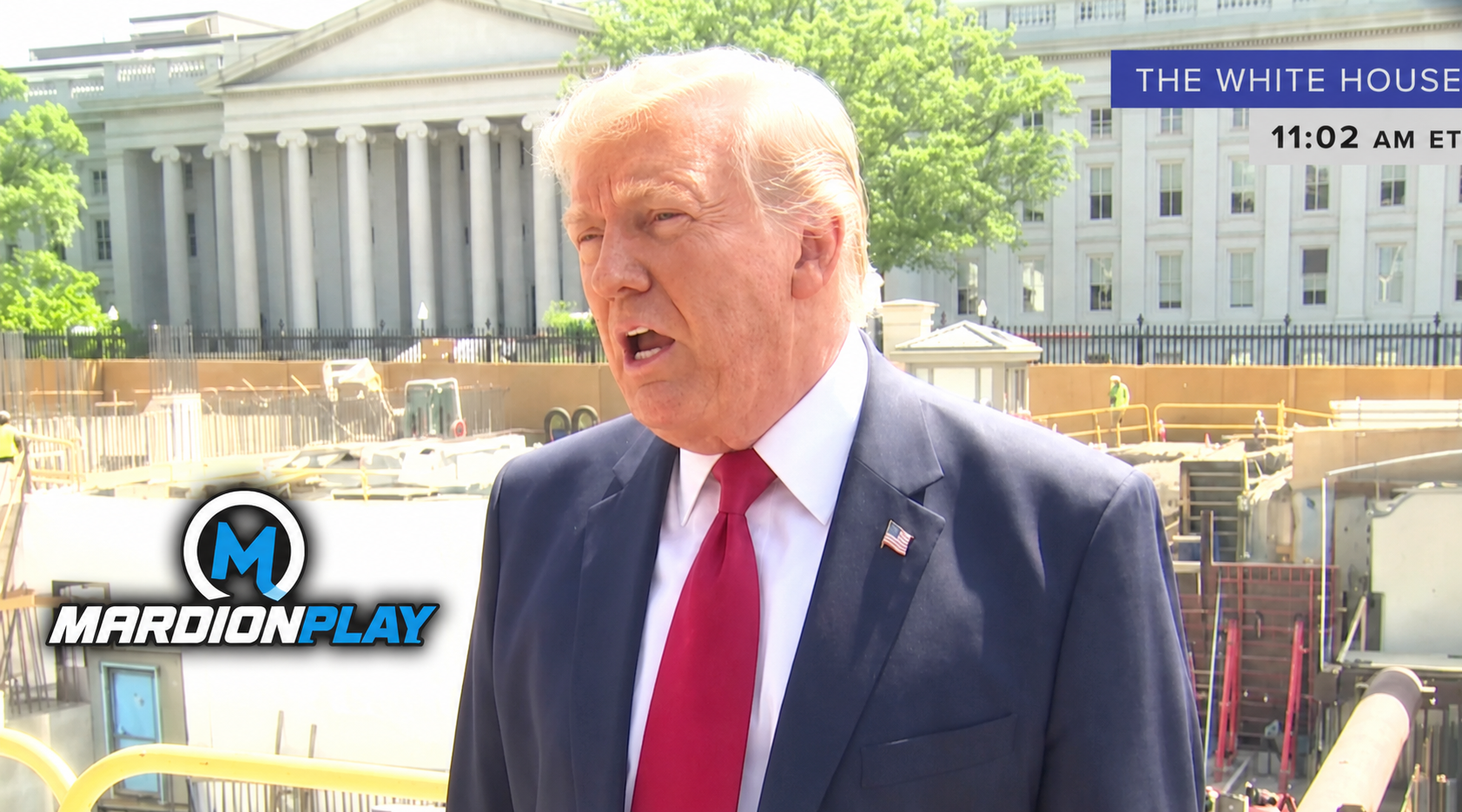
Donald Trump is facing backlash after dismissing soaring gas prices as “peanuts” and thanking Americans for “putting up with it,” comments that critics say reveal how disconnected he is from the financial struggles of ordinary people.
The controversy erupted after Trump addressed reporters about rising tensions in the Middle East and the economic impact Americans are beginning to feel at the gas pump. With fuel prices climbing sharply across several states, many households are already feeling pressure from inflation, expensive groceries, rent increases, and higher utility bills. But Trump appeared to minimize those concerns during his remarks.
“This is peanuts,” Trump said, referring to the increase in gas prices. “And I appreciate everybody putting up with it for a little while.” He argued that temporary economic pain was necessary in order to prevent Iran from becoming a nuclear threat and to protect long-term American security.
The comments immediately sparked outrage online and across political circles. Critics accused Trump of sounding dismissive toward working-class Americans who are struggling to afford basic necessities. For many families living paycheck to paycheck, even a small increase in fuel prices can have a serious impact on monthly budgets. Transportation costs affect nearly every aspect of daily life — commuting to work, delivering goods, food prices, and travel expenses all rise alongside gasoline prices.
Political opponents and commentators quickly seized on the phrase “peanuts,” arguing that it exposed a wealthy politician who no longer understands the realities facing average citizens. Social media users pointed out that millions of Americans are already under financial stress and cannot easily absorb additional costs, especially after years of inflation and economic uncertainty.
Several Democratic figures criticized Trump directly, saying the remarks echoed a broader pattern of wealthy elites downplaying economic hardship. Some compared the situation to past political moments where leaders were accused of being tone-deaf during periods of economic difficulty. Others argued that Trump, who has long presented himself as a champion of working Americans, risked damaging that image by appearing indifferent to rising living costs.
Supporters of Trump defended his statement, arguing that he was speaking in the context of national security rather than trying to insult struggling Americans. According to allies of the former president, Trump’s point was that higher gas prices are a temporary sacrifice compared to the dangers of a nuclear-armed Iran or escalating conflict in the Middle East. Conservative commentators also noted that energy markets are heavily influenced by global instability and that price spikes are not always directly controlled by a U.S. president.
Still, the backlash continued to grow because the timing of the comments hit a sensitive nerve. Many Americans remain frustrated over the overall cost of living. Although inflation has slowed compared to previous years, prices for essentials remain significantly higher than they were before the pandemic. Gas prices, in particular, tend to carry strong political symbolism in the United States because they are visible daily expenses that affect almost everyone.
The issue also highlights the difficult balancing act politicians face when discussing economic sacrifice. Leaders often attempt to frame short-term hardship as necessary for broader geopolitical goals, but voters living under financial pressure may view such arguments as detached or insensitive. In Trump’s case, critics say the wording itself — especially calling the increases “peanuts” — amplified the controversy because it sounded dismissive rather than empathetic.
The debate quickly spread across television networks, political podcasts, and online platforms, where clips of Trump’s remarks circulated widely. Some users mocked the statement with memes, while others shared stories about how rising fuel prices affect their families and businesses. Analysts noted that even if gas prices rise by what some policymakers consider a manageable amount, the political consequences can still be significant because fuel costs are emotionally and economically important to voters.
Whether the controversy has a lasting political impact remains unclear, but it once again places Trump at the center of a national debate over the economy, class, and the everyday struggles of working Americans.